Uncategorized

website traffic analysis

Website Traffic Analysis: A Complete Guide to Understanding and Improving Website Traffic

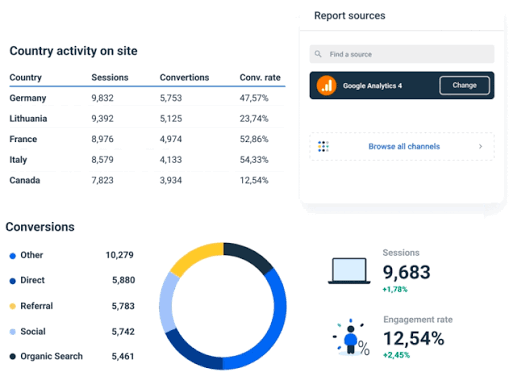
In digital marketing, getting visitors to your website is only the first step. The real challenge is understanding who is visiting your website, where they are coming from, what they are doing, and whether they are taking valuable actions. This is where website traffic analysis becomes important. Website traffic analysis helps businesses, bloggers, marketers, and website owners understand how their websites are performing. By analyzing traffic data, you can identify your best traffic sources, discover popular pages, understand visitor behavior, measure marketing campaigns, and find opportunities for growth. Whether you are running an e-commerce store, business website, blog, portfolio, or digital marketing agency website, traffic analysis can help you make better decisions based on real data rather than assumptions. What Is Website Traffic Analysis? Website traffic analysis is the process of collecting, measuring, and analyzing data about visitors who come to a website. It involves studying different aspects of website activity, including: Number of visitors Traffic sources Most visited pages Visitor engagement Geographic locations Devices used by visitors New and returning users Landing pages Conversions Marketing campaign performance For example, suppose your website receives 10,000 visitors in one month. Simply knowing the number 10,000 does not tell you whether your website is successful. You also need to know where those visitors came from and what they did after arriving. Maybe 5,000 visitors came from Google Search, 2,000 came from social media, 1,500 came from direct traffic, and the remaining visitors came from referrals and paid campaigns. Website traffic analysis helps you understand these differences. Why Is Website Traffic Analysis Important? Website traffic analysis is important because it helps you understand the performance of your website and marketing strategy. Without analyzing your traffic, you may continue investing time and money in marketing activities without knowing what is actually working. Traffic analysis can help answer questions such as: How many people visit my website? Where do my visitors come from? Which pages attract the most visitors? Which keywords bring organic traffic? Which marketing channels generate leads? What devices do visitors use? How long do users engage with my content? Which pages generate conversions? Are my SEO efforts working? Which content should I create next? These insights can help you improve your website and develop a more effective digital marketing strategy. Types of Website Traffic Website traffic can come from many different sources. Understanding these sources is one of the most important parts of traffic analysis. 1. Organic Search Traffic Organic traffic comes from unpaid search engine results. For example, someone searches Google for: “best digital marketing strategies” They find your website in the search results and click on your page. That visit is generally considered organic search traffic. Organic traffic is particularly important for SEO-focused websites because it can indicate whether your content is attracting visitors through search engines. To improve organic traffic, businesses often focus on: Keyword research Quality content On-page SEO Technical SEO Internal linking Backlinks Search intent Website experience 2. Direct Traffic Direct traffic generally refers to visits where the source is not identified or where a user directly accesses your website. Examples can include users: Typing your website address Using a bookmark Returning through certain saved links Arriving through traffic where referral information is unavailable A strong direct-traffic presence can sometimes indicate brand familiarity, but the exact meaning depends on how analytics tracking is configured. 3. Referral Traffic Referral traffic comes from links on other websites. For example, imagine another website publishes an article about digital marketing and links to your blog. Someone clicks that link and visits your website. That visitor can be recorded as referral traffic. Referral traffic can be valuable because it may introduce your website to new audiences and can contribute to brand visibility. 4. Social Media Traffic Social traffic comes from social media platforms. Examples include visitors arriving from: Facebook Instagram LinkedIn X Pinterest YouTube Other social platforms Social media traffic can be especially useful for content marketers. For example, if you publish a blog post and promote it on LinkedIn, you can analyze whether that promotion generates website visits and conversions. 5. Paid Traffic Paid traffic comes from advertising campaigns. Examples include: Google Ads Meta Ads Display advertising Paid social campaigns Other online advertising platforms Paid traffic analysis helps advertisers understand whether their campaigns are generating useful results. Traffic volume alone is not enough. You should also analyze conversions, cost, engagement, and revenue where applicable. 6. Email Traffic Email traffic comes from links in email campaigns and newsletters. For example, a company sends an email promoting a new blog article. Users click the link and visit the website. Using proper campaign tracking can help marketers understand how email traffic contributes to website performance. Important Website Traffic Metrics Website traffic analysis involves many metrics. You don’t need to monitor every metric available. Instead, focus on measurements connected to your goals. Users Users represent visitors interacting with your website according to the analytics platform’s measurement methodology. This metric can help you understand the size of your audience over a selected period. Sessions A session represents a period of interaction with your website. Sessions can help you understand how frequently users visit and interact with your website. Page Views Page views show how many times pages were viewed. This can help identify popular content. For example, if your SEO guide receives significantly more page views than other blog posts, it may be worth creating related content. Engagement Rate Engagement rate helps you understand how actively visitors interact with your website. High traffic with poor engagement may indicate that visitors are not finding what they expected. Average Engagement Time This metric can provide insight into how much time users actively engage with your website or content. Longer engagement can sometimes indicate stronger interest, but the ideal value depends on the type of page. Conversion Rate Conversion rate measures the percentage of users or sessions that complete a desired action, depending on how it is calculated and configured. Examples of conversions include: Contact form submissions Purchases
Website Traffic Analysis: A Complete Guide to Understanding and Improving Website Traffic Read More »

Google Analytics Reports

Google Analytics Reports: A Complete Guide to Understanding Website Performance

In digital marketing, understanding how visitors interact with your website is just as important as attracting them. Google Analytics reports help businesses, marketers, website owners, and agencies understand website traffic, user behavior, conversions, and marketing performance. Instead of guessing whether a marketing campaign is working, you can use analytics data to make informed decisions. Google Analytics provides valuable information about where visitors come from, which pages they visit, how long they stay, what actions they take, and whether they complete important goals. For businesses investing in SEO, Google Ads, social media marketing, content marketing, or email marketing, understanding Google Analytics reports can make marketing strategies more measurable and effective. What Are Google Analytics Reports? Google Analytics reports are organized views of website and app data collected through Google Analytics. They allow you to analyze different aspects of your online presence, including users, traffic sources, engagement, conversions, and revenue. Google Analytics 4 (GA4) is Google’s current analytics platform. It uses an event-based measurement model, which means user interactions such as page views, clicks, purchases, form submissions, and video engagement can be measured as events. For example, if someone visits your website through Google Search, reads a blog post, clicks a service button, and submits a contact form, analytics data can help you understand this journey. Why Are Google Analytics Reports Important? Google Analytics reports are important because they turn website activity into useful insights. They can help you answer questions such as: How many people are visiting my website? Where are my visitors coming from? Which pages are receiving the most traffic? Which marketing channels are generating visitors? Are users engaging with my content? Which pages lead to conversions? How many leads or purchases are being generated? Which campaigns are performing well? Which areas of my website need improvement? Without analytics, you may spend money on marketing without knowing which activities are actually contributing to your business goals. Main Types of Google Analytics Reports GA4 organizes reporting around different areas of measurement. The exact reports and navigation available can vary depending on your property’s setup and permissions. The most important reporting areas include: Reports snapshot Realtime Acquisition Engagement Monetization User attributes Tech User and business reporting features Let’s understand the most useful areas. 1. Realtime Report The Realtime report allows you to see activity happening on your website or app around the current time. It can help you understand whether tracking is working and see recent user activity. You may be able to analyze information such as: Active users Traffic sources Events Pages or screens being viewed User locations Recent conversions Realtime reporting is particularly useful after publishing a new campaign, blog post, advertisement, or website update. For example, if you publish a new article and share it on social media, you can check recent activity to see whether visitors are arriving from your promotion. 2. Acquisition Reports Acquisition reports show how users and sessions are acquired. This is one of the most important reporting areas for digital marketers because it helps identify traffic sources and marketing channels. Common acquisition dimensions include: Organic Search Direct Referral Organic Social Paid Search Email Other campaign traffic Organic Search Organic Search represents traffic generated through unpaid search engine results. If you are investing in SEO, monitoring organic traffic can help you understand whether search visibility is bringing users to your website. Direct Traffic Direct traffic generally represents visits where the traffic source is not identified or where users arrive directly. It can include users typing a URL into their browser, using bookmarks, or traffic where referral information isn’t available. Referral Traffic Referral traffic comes from links on other websites. For example, if another website links to your blog and someone clicks that link to visit your site, the visit may appear as referral traffic. Organic Social Organic Social can help you understand visits from unpaid social media activity when the traffic is correctly identified. This can be useful for measuring the impact of platforms such as Facebook, Instagram, LinkedIn, and other social networks. Paid Traffic Paid traffic can help you evaluate visitors generated by advertising campaigns. Proper campaign tracking is important when analyzing paid marketing performance. 3. Engagement Reports Engagement reports help you understand what visitors do after arriving on your website. Important measurements can include: Events Conversions Landing pages Pages and screens User engagement Engagement time Engagement data is useful because traffic volume alone does not tell you whether visitors find your website valuable. For example, a website may receive thousands of visitors but generate very few leads. Another website may receive fewer visitors but generate significantly more inquiries. This is why marketers should analyze both traffic and engagement. 4. Pages and Screens Report The Pages and Screens report helps you understand how individual pages perform. You can use it to identify: Popular pages Blog posts receiving traffic Service pages attracting visitors Pages with engagement Pages generating conversions For a digital marketing blog, this report can reveal which topics attract the most interest. For example, if articles about SEO consistently receive strong traffic, you could create additional content around: SEO tools Keyword research Technical SEO Local SEO SEO mistakes AI SEO Content optimization This creates a data-driven content strategy. 5. Landing Page Reports A landing page is the page where a user begins their website session. Landing page analysis is important because the first page a visitor sees can influence their next action. For example, a user may arrive directly on: yourwebsite.com/seo-guide You can then analyze whether visitors continue exploring your website, engage with the content, or complete a conversion. Landing-page data can help marketers identify pages that deserve optimization. 6. Events Report GA4 uses events to measure user interactions. Examples include: Page views Scrolls Clicks Video engagement File downloads Form interactions Purchases Sign-ups Events are particularly important because they allow businesses to measure actions instead of simply counting visits. For example, a digital marketing website may track: Contact Form Submitted as an important event. This provides more useful information than simply

Google Analytics Reports: A Complete Guide to Understanding Website Performance Read More »

ai 2

AI in Digital Marketing: The Complete Guide to Artificial Intelligence in Digital Marketing

Introduction Artificial Intelligence, commonly known as AI, is changing the way businesses approach digital marketing. From content creation and search engine optimization to social media, advertising, email marketing, customer service, analytics, and sales, AI is becoming an important technology across the modern marketing ecosystem. Digital marketing has always depended on data. Marketers need to understand what customers want, where they search for information, what content they consume, which advertisements attract attention, and what encourages people to purchase a product or service. The challenge is that the amount of available data has grown dramatically. Businesses can collect information from websites, search engines, social media platforms, advertising campaigns, email campaigns, CRM systems, e-commerce stores, and customer interactions. Analyzing all of this information manually can be difficult and time-consuming. This is where AI in digital marketing becomes valuable. AI can help marketers analyze information, identify patterns, generate content, automate repetitive tasks, personalize customer experiences, and support marketing decisions. Generative AI can also help create text, images, ideas, scripts, advertisements, and other forms of marketing content. However, AI is not simply about automating everything. Successful digital marketing still requires strategy, creativity, customer understanding, brand positioning, critical thinking, and human judgment. This comprehensive guide explains AI in digital marketing, including how it works, major applications, benefits, challenges, AI tools, SEO, social media, advertising, email marketing, content marketing, analytics, personalization, automation, lead generation, e-commerce, local marketing, and the future of AI-powered marketing. 1. What Is AI in Digital Marketing? AI in digital marketing means using Artificial Intelligence technologies to support, automate, analyze, and improve digital marketing activities. AI systems can process large amounts of information and identify patterns that may be difficult to discover manually. Depending on the technology, AI can help marketers: Research customers Analyze marketing data Generate content Discover topics Research keywords Optimize campaigns Personalize messages Automate workflows Predict customer behavior Generate marketing ideas Analyze conversations Improve customer support Identify potential leads Traditional marketing software usually follows predefined instructions. AI-powered systems can go further by analyzing information and generating recommendations or content based on patterns and inputs. For example, a traditional automation system might send an email when someone fills out a form. An AI-powered system may analyze customer information and help determine what type of message, content, or follow-up may be relevant. This distinction is one reason AI has become increasingly important in digital marketing. 2. Why AI Is Becoming Important in Digital Marketing Digital marketing has become more complex. Businesses now communicate with customers through: Google Search Websites YouTube Instagram Facebook LinkedIn Email Mobile applications Online marketplaces Messaging platforms Paid advertising Every channel produces information. Marketers need to understand what is working and what is not. AI can help organize and analyze this information. Faster Data Analysis AI systems can process large amounts of data quickly. This can help marketers identify patterns in: Website traffic Search behavior Advertising performance Customer engagement Conversion activity Email campaigns Social media interactions Marketing Automation AI can support repetitive marketing workflows. Examples include: Email automation Customer segmentation Lead qualification Content recommendations Reporting Customer support Content Production Generative AI can help marketers create first drafts and ideas. This can reduce the time required for content production. Personalization AI can help businesses deliver more relevant experiences to different customer groups. Better Decision Support AI-generated insights can help marketers evaluate marketing data and identify potential opportunities. 3. How AI Works in Digital Marketing AI in digital marketing can involve several technologies. Machine Learning Machine learning allows computer systems to identify patterns in data and improve their predictions or classifications based on available information. Marketing applications can include: Customer segmentation Lead scoring Recommendation systems Forecasting Campaign analysis Natural Language Processing Natural Language Processing, or NLP, helps computers process human language. It is used in: Chatbots AI writing tools Search systems Customer support Sentiment analysis Text classification Generative AI Generative AI can produce new content based on instructions. It can assist with: Blog drafts Social media posts Email copy Advertising copy Product descriptions Video scripts Images Marketing ideas Predictive Analytics Predictive systems analyze historical and current information to estimate potential future outcomes. In marketing, predictive analytics can support: Lead scoring Customer retention analysis Demand forecasting Sales forecasting Campaign planning 4. AI in Content Marketing Content marketing is one of the most visible applications of AI. Marketers need to create content consistently, including: Blog posts Articles Social media posts Videos Emails Product descriptions Guides Case studies Landing pages AI can assist with almost every stage of content production. Content Ideation A marketer can provide a broad topic and ask AI to generate related content ideas. For example, a digital marketing website could build content around: SEO AI SEO Content marketing Social media marketing Google Ads Meta Ads Email marketing Marketing automation Lead generation AI can help organize these topics into categories. Content Outlines AI can create an initial structure for an article. For example: Introduction Definition Benefits Examples Strategies Tools Mistakes Best practices Future trends Conclusion A human writer can then improve the structure according to search intent and audience needs. Content Drafting Generative AI can create a first draft based on detailed instructions. However, marketers should not publish AI-generated content without review. A professional article should contain: Accurate information Original insights Useful examples Clear explanations Appropriate formatting Strong user value Content Repurposing One of the most useful applications of AI is repurposing. A long article can become: LinkedIn posts Instagram captions Short video scripts Email newsletters YouTube ideas Carousel content FAQ content This allows businesses to get more value from existing content. 5. AI and Search Engine Optimization SEO is another area where AI is becoming increasingly important. Search engines use sophisticated systems to understand content, queries, relevance, and user intent. Marketers can use AI to assist with SEO research and workflows. AI Keyword Research AI can help marketers discover: Related keywords Long-tail keywords Question-based keywords Topic clusters Search-intent variations For example, instead of targeting only “digital marketing,” a content strategy could include: What is digital marketing? Digital marketing strategies Digital

AI in Digital Marketing: The Complete Guide to Artificial Intelligence in Digital Marketing Read More »

content creation ai

Content creation Ai

Content Creation AI: How Artificial Intelligence Is Changing Content Marketing Content is one of the most important parts of digital marketing. Businesses need blog posts, social media posts, videos, emails, advertisements, website copy, product descriptions, and other content to attract and engage their audience. However, creating high-quality content consistently can take a lot of time and effort. This is where Content Creation AI is changing the way marketers and creators work. AI-powered content creation tools can help businesses brainstorm ideas, create outlines, write drafts, improve existing content, generate social media posts, create images, develop video scripts, and repurpose content for different platforms. The goal of AI content creation is not simply to produce more content. It is to help marketers create useful content more efficiently while leaving important decisions, creativity, fact-checking, and brand strategy to humans. What Is Content Creation AI? Content Creation AI refers to the use of artificial intelligence to assist with the creation, editing, optimization, and distribution of digital content. AI systems can analyze instructions and generate different types of content based on the information provided by the user. AI content creation can be used for: Blog posts Website content Social media captions Video scripts Email newsletters Advertisement copy Product descriptions Headlines Content ideas Images and graphics Marketing campaigns Content summaries For example, a digital marketer can provide a topic, target audience, tone, and desired length to an AI tool and receive a first draft or content outline. The marketer can then edit the output, add original insights, verify information, and make the content fit the brand. Why Is AI Content Creation Becoming Popular? Creating content consistently is challenging for many businesses. A marketing team may need to publish several social media posts every week while also maintaining a blog, email newsletter, and advertising campaigns. AI can help reduce the time required for some of these repetitive tasks. 1. Saves Time AI can generate initial ideas, outlines, headlines, and drafts quickly. Instead of spending a long time deciding how to start an article, a marketer can use AI to generate an outline and then develop it further. 2. Generates New Ideas Content creators sometimes struggle with finding new topics. AI can generate topic ideas based on an industry, audience, product, or marketing objective. For example, a digital marketing agency can use AI to brainstorm topics about SEO, social media marketing, email marketing, Google Ads, and content marketing. 3. Supports Content Production AI can help create a first draft that marketers can edit and improve. This can be particularly useful for businesses that need to create content regularly. 4. Helps Repurpose Content One of the biggest advantages of AI content creation is content repurposing. A single blog post can be transformed into: LinkedIn posts Instagram captions Facebook posts Email newsletters Video scripts Short-form content Infographic ideas This allows businesses to use existing content across multiple channels. How Does Content Creation AI Work? AI content creation tools generally work by processing the instructions provided by the user and generating an output based on patterns learned from large amounts of data. The user provides a prompt or instructions. For example: “Write a 1,000-word blog about SEO for small businesses in a professional and easy-to-understand tone.” The AI can then generate an initial response. The quality of the result depends heavily on the instructions, context, tool, and human editing. A useful AI content workflow can look like this: Research → Planning → AI Assistance → Human Editing → Fact-Checking → Optimization → Publishing → Performance Analysis This approach combines the speed of AI with human expertise. Types of Content That AI Can Help Create AI is not limited to blog writing. Modern content creation tools can assist with many different formats. 1. AI Blog Content AI can help marketers create blog outlines, introductions, headings, FAQs, summaries, and first drafts. For example, a marketer can provide a keyword and target audience and ask AI to suggest an article structure. However, high-quality blog content should contain original insights, accurate information, useful examples, and a clear purpose. 2. AI Social Media Content Social media requires frequent content. AI can help generate: Captions Post ideas Hooks Questions Poll ideas Content calendars Short-video concepts For example, a restaurant could use AI to generate a week’s worth of social media ideas around its menu, customer experience, special offers, and behind-the-scenes content. 3. AI Video Scripts Video marketing has become increasingly important. AI can help create scripts for: YouTube videos Instagram Reels YouTube Shorts Educational videos Product videos Promotional videos A marketer can provide the topic, audience, video length, and tone to generate a basic script. The script can then be reviewed and adapted for the actual video. 4. AI Email Content Email marketing requires clear and engaging communication. AI can help create: Email subject lines Newsletter ideas Promotional emails Welcome emails Follow-up messages Product announcements Marketers should personalize AI-generated emails instead of sending generic messages to every customer. 5. AI Website Content Businesses need website content such as: Homepage copy Service descriptions About pages Landing pages FAQs Product descriptions Calls to action AI can help create initial drafts, but businesses should ensure that the final copy accurately represents their actual services and products. Best AI Tools for Content Creation Many platforms now provide AI features for different content formats. ChatGPT ChatGPT can assist with brainstorming, writing, content planning, editing, summarization, social media content, and marketing ideas. It can be used as a general-purpose content assistant. Google Gemini Gemini can assist with brainstorming, writing, summarization, and research-related tasks. It can be useful during the research and planning stages of content creation. Canva Canva combines design tools with AI-assisted creative features. Marketers can use it to create social media graphics, presentations, advertisements, thumbnails, and other visual content. Grammarly Grammarly can help improve grammar, clarity, readability, and tone. It can be useful when editing marketing content before publication. Adobe Firefly Adobe Firefly provides generative AI features for visual content creation and editing. It can help creators explore visual concepts

Content creation Ai Read More »

Free Ai Tools For Marketing

Free Ai Tools For Marketing

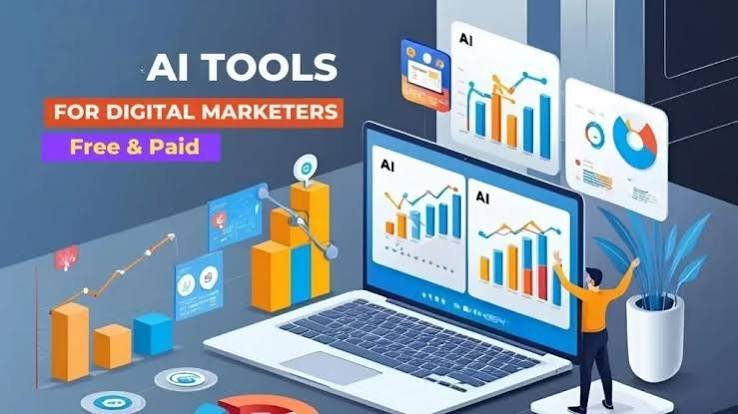
Free AI Tools for Marketing: Best Free AI Tools for Digital Marketers Artificial intelligence has become an important part of modern digital marketing. Businesses, freelancers, agencies, bloggers, startups, and social media creators are using AI to create content, improve SEO, design graphics, analyze data, and manage marketing campaigns. The good news is that you do not always need an expensive subscription to start using AI. There are many free AI tools for marketing that can help beginners and experienced marketers improve productivity and complete everyday marketing tasks more efficiently. From AI content creation and keyword research to graphic design, social media marketing, email campaigns, and productivity, free AI tools can support almost every area of digital marketing. In this guide, we will explore some of the best free AI tools for marketing, how they can be used, their benefits and limitations, and how businesses can build an effective AI-powered marketing workflow without spending a large amount of money. What Are Free AI Tools for Marketing? Free AI tools for marketing are applications that use artificial intelligence to help marketers perform marketing-related tasks without requiring a paid subscription, or that provide a free plan with limited features. These tools can assist with: Content writing Blog creation SEO research Keyword ideas Social media content Graphic design Email marketing Video creation Customer research Data analysis Marketing automation Brainstorming Free AI tools can be particularly useful for small businesses, students, freelancers, startups, and new marketers who want to experiment with AI before investing in premium software. Why Use Free AI Tools for Marketing? Marketing involves many repetitive tasks. A marketer may need to write social media posts, research keywords, prepare email campaigns, create graphics, develop content ideas, and analyze campaign performance. AI can help reduce the time required for many of these activities. 1. Save Time AI can quickly generate ideas, outlines, captions, headlines, and drafts. This allows marketers to spend more time on strategy and creative decision-making. 2. Reduce Marketing Costs Small businesses may not have the budget to purchase multiple marketing platforms. Free AI tools can provide useful capabilities without requiring a large initial investment. 3. Improve Productivity Instead of starting every marketing task from scratch, marketers can use AI to create a first draft or generate multiple ideas. 4. Support Beginners People who are new to digital marketing can use AI tools to learn about content creation, SEO, advertising, and social media marketing. 5. Experiment With AI Free tools allow marketers to test AI-powered workflows before deciding whether a paid platform is necessary. Best Free AI Tools for Marketing There are many free AI tools available, but each one is designed for different purposes. The best choice depends on your marketing requirements. 1. ChatGPT – Free AI Marketing Assistant ChatGPT can be used for a wide variety of marketing tasks. Marketers can use it to generate: Blog ideas Content outlines Social media captions Email drafts Advertisement ideas Product descriptions Video scripts Marketing concepts Content calendars FAQs For example, a small business can ask an AI assistant to create 20 social media content ideas for a particular product and target audience. The marketer can then review the suggestions and customize them according to the brand. ChatGPT can also help repurpose existing content. A long blog article can be transformed into social media posts, email content, or short-video ideas. 2. Google Gemini – Free AI for Research and Content Google Gemini can help marketers with brainstorming, writing, summarization, research assistance, and content ideas. It can be useful when marketers need to organize information or explore different approaches to a campaign. For example, a marketer could use an AI assistant to brainstorm content topics around a specific industry and then conduct additional research before publishing. As with any AI tool, important facts should be verified before they are used in marketing materials. 3. Canva – Free AI Design Tools Visual content is extremely important for digital marketing. Canva offers free design capabilities and AI-assisted features that can help users create social media graphics, presentations, posters, thumbnails, advertisements, and other marketing materials. Marketers can use Canva to create: Instagram posts Facebook graphics LinkedIn visuals YouTube thumbnails Blog images Presentations Promotional designs The free version can be useful for beginners who need attractive marketing visuals without advanced graphic-design software. 4. Grammarly – Free AI Writing Assistance Grammarly can help marketers improve the quality of their written communication. Its free capabilities can assist with grammar, spelling, clarity, and writing quality, while additional AI features may depend on the current plan. Marketers can use writing assistance when preparing: Emails Blog posts Website content Social media captions Business proposals Advertisements Clear and professional writing can make marketing communication easier for customers to understand. 5. HubSpot – Free Marketing and AI Features HubSpot offers marketing, CRM, sales, and customer-service tools, with some features available through free plans. Its platform can help businesses organize customer information, manage contacts, create marketing workflows, and work with content. For small businesses, a free CRM combined with AI-assisted marketing capabilities can provide a useful starting point for organizing leads and customer communication. Users should check the current free-plan limitations because available features can change over time. 6. Adobe Express – Free AI-Assisted Creative Tools Adobe Express provides tools for creating social media graphics, marketing materials, videos, and other visual content. AI-assisted creative features can help marketers experiment with visual ideas and produce marketing assets more efficiently. It can be useful for businesses that need promotional graphics but do not have a dedicated design team. 7. Perplexity – AI-Assisted Research Marketing begins with research. AI research tools can help marketers explore topics, identify questions, summarize information, and discover sources for further investigation. Perplexity can be useful for preliminary research and information discovery. However, marketers should always open and verify important sources rather than relying solely on AI-generated summaries. This is particularly important when creating content that includes statistics, market information, regulations, or other factual claims. 8. CapCut – AI-Assisted Video Marketing Video has become an

Free Ai Tools For Marketing Read More »