
Digital Marketing Strategy: A Complete Beginner’s Guide
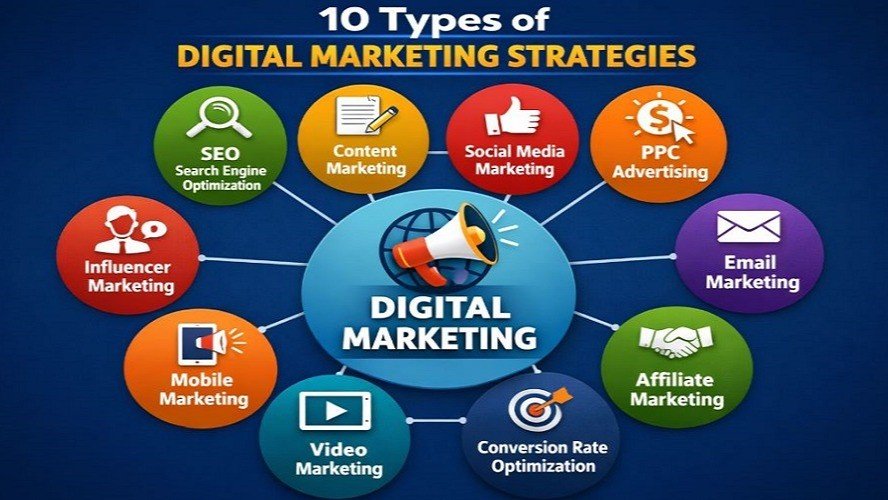
In today’s digital world, simply having a website or posting regularly on social media is not enough to grow a business. To achieve meaningful results online, businesses need a clear and well-planned digital marketing strategy. A digital marketing strategy helps you decide who your target audience is, what goals you want to achieve, which marketing channels you should use, what type of content you should create, how much you should spend, and how you will measure your results. Whether you are a beginner, small business owner, freelancer, blogger, startup founder, or aspiring digital marketer, learning how to create a digital marketing strategy is an essential skill. In this guide, you will learn what a digital marketing strategy is, why it matters, and how to create one step by step. What Is a Digital Marketing Strategy? A digital marketing strategy is a structured plan that uses digital channels and marketing techniques to achieve specific business goals. Digital marketing channels can include: Search engines Websites Social media Email marketing Online advertising Content marketing Video platforms Mobile applications The purpose of a digital marketing strategy depends on the business. Common goals include: Increasing brand awareness Generating website traffic Getting more leads Increasing sales Building an online audience Improving customer retention Increasing brand visibility Simple Example Imagine that you run a digital marketing agency. Your marketing strategy might look like this: SEO → Website Traffic → Helpful Content → Lead Form → Consultation → Customer In this example, every marketing activity supports a larger business objective. Why Is a Digital Marketing Strategy Important? Without a strategy, businesses may publish random social media posts, run advertisements without clear objectives, or create content without understanding their audience. A well-planned strategy gives your marketing activities direction. 1. Helps You Set Clear Goals A strategy helps you define exactly what you want to achieve through digital marketing. 2. Helps You Reach the Right Audience Audience research allows you to create content and campaigns that are relevant to potential customers. 3. Helps You Manage Your Budget A strategy helps you decide how much to invest in SEO, content marketing, social media, advertising, and other activities. 4. Makes Performance Easier to Measure You can use analytics and KPIs to understand whether your marketing activities are producing the desired results. 5. Creates Consistency A strategy helps you maintain a consistent approach across your website, social media channels, email campaigns, and advertising. Step 1: Define Your Business Goals The first step in creating a digital marketing strategy is to define your goals. Ask yourself: What do I want to achieve through digital marketing? Your goals could include: Increasing website traffic Generating more leads Increasing online sales Building brand awareness Growing an email list Attracting local customers Increasing product or service inquiries Try to make your goals specific and measurable. Instead of saying: “I want to grow my website.” You could create a more specific goal such as: “I want to increase organic website traffic over the next six months.” A clear goal makes it easier to track progress and evaluate performance. Step 2: Identify Your Target Audience Your marketing strategy becomes much more effective when you understand who you are trying to reach. Your target audience may be defined by factors such as: Age Location Profession Interests Needs Problems Buying behavior Income range Preferred platforms Example Suppose you provide graphic design services. Your potential target audience could include: Small business owners Startups Bloggers E-commerce businesses Local businesses Content creators Understanding your audience helps you create more relevant content, offers, and advertising campaigns. Step 3: Create a Buyer Persona A buyer persona is a research-based profile representing an ideal customer. For example: Buyer Persona Name: Rahul Age: 28 Profession: Small Business Owner Location: Delhi NCR Main Problem: Not getting enough website traffic or leads Goal: Increase online customers Preferred Platforms: Google, Instagram, and YouTube A buyer persona helps you understand the type of person you are creating your marketing for. If your business serves multiple customer groups, you can create more than one buyer persona. Step 4: Analyze Your Competitors Competitor research is another important part of a digital marketing strategy. Analyze your competitors’: Websites Blog content SEO strategies Social media profiles Content formats Advertising campaigns Offers Customer reviews Keywords Landing pages The goal is not to copy your competitors. Instead, competitor research helps you understand the market and identify opportunities. Questions to Ask What topics are competitors writing about? What keywords are they targeting? Which social platforms are they using? What type of content receives engagement? What problems are they solving? Are there topics they are not covering? How can you provide more useful information? This research can help you develop a stronger content and marketing plan. Step 5: Choose the Right Digital Marketing Channels You do not need to be active on every digital platform. The right channels depend on your audience, business goals, resources, and industry. Some major digital marketing channels include: Search Engine Optimization SEO helps businesses improve their visibility in organic search results. Content Marketing Content marketing uses useful and relevant content to attract and educate an audience. Social Media Marketing Social media can help businesses build awareness, engage audiences, and promote products or services. Email Marketing Email marketing allows businesses to communicate with subscribers and customers. Paid Advertising Platforms such as Google Ads and Meta Ads can help businesses reach targeted audiences through paid campaigns. Local Marketing Local businesses can use digital channels to improve visibility among customers in specific geographic areas. Choose channels based on where your target audience is and what your business can consistently manage. Step 6: Build an SEO Strategy SEO can be an important part of a digital marketing strategy, especially for businesses that want to build long-term organic visibility. An SEO strategy can include: Keyword research Search intent analysis Content planning On-page SEO Internal linking Technical SEO Link building Performance monitoring Keyword Research Start by identifying the terms your target audience searches for. For example: Digital marketing for beginners SEO
Digital Marketing Strategy: A Complete Beginner’s Guide Read More »